Dashboard Warning Lights: What Serious Vehicle Owners Should Do Next
16 August 2026 · 5 min read
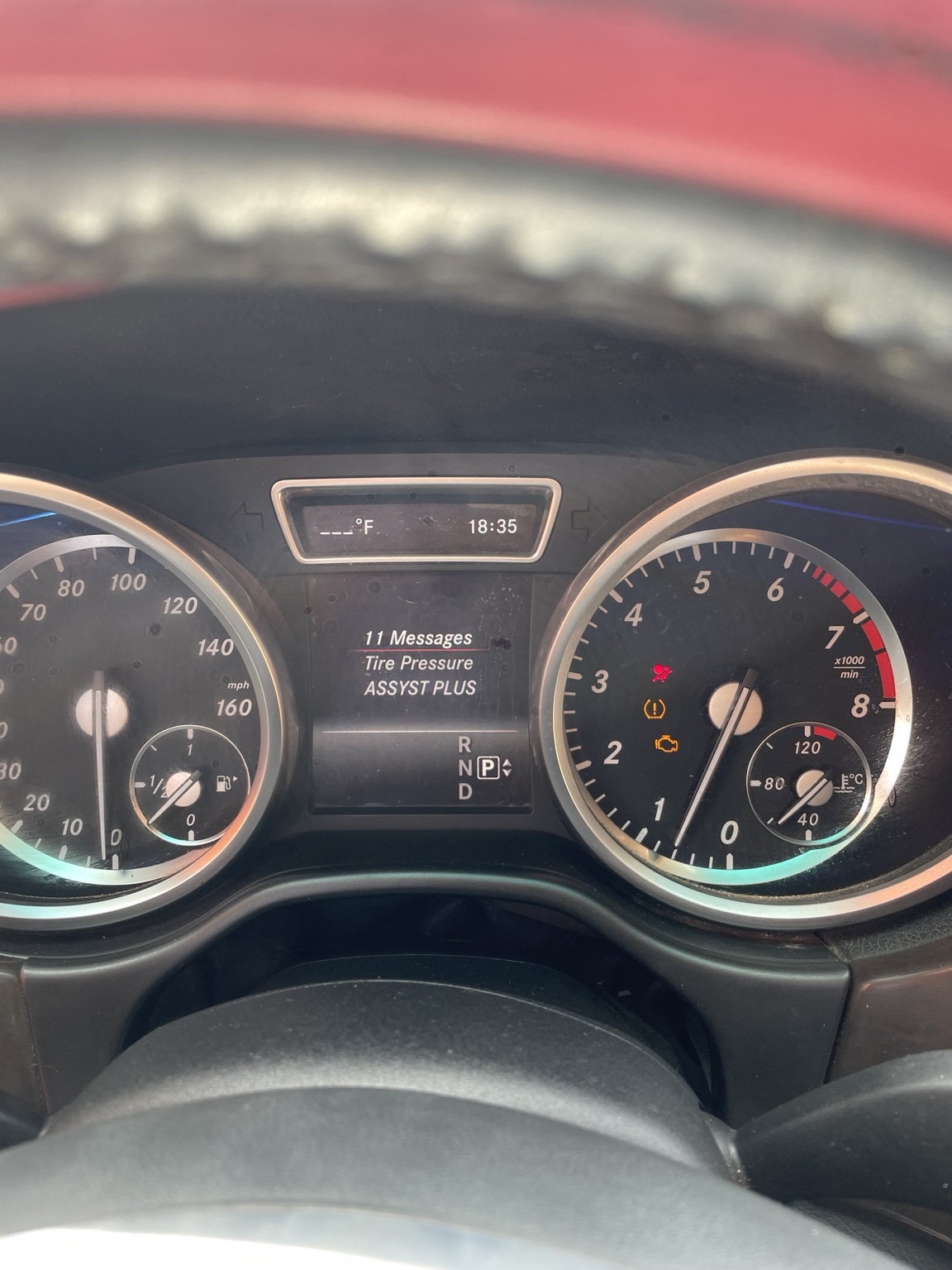
A dashboard warning means the vehicle has detected a monitored condition, inconsistency or fault that deserves attention. It is useful evidence, but it is not a complete diagnosis.
The same symbol can appear for different reasons, and one underlying condition can produce several symptoms. Reading a code or recognising an icon should begin an assessment rather than end it.
Warnings connected to oil pressure, engine temperature, braking, steering or other safety-critical systems deserve particular caution. The correct response depends on the vehicle, the warning colour and behaviour, the owner’s manual and what the car is doing at that moment. Where the vehicle instructs the driver to stop, or where control, braking, steering or temperature appears compromised, the safer decision is to stop securely and arrange professional guidance.
Owners should also pay attention to changes that appear before a warning light: a new vibration, delayed starting, reduced power, an unfamiliar smell, fluid beneath the vehicle, heavier steering or a change in braking response. These observations do not identify the failed part, but they help establish the sequence of events.
One damaging habit is clearing a warning or disconnecting the battery before the vehicle is assessed. That can remove useful fault history and freeze-frame information, making an intermittent concern harder to reconstruct.
Before contacting an advisor, record the exact message, when it appeared, the driving conditions, whether it remained or disappeared, and anything that changed immediately before it. Photographs and short videos can preserve evidence, although they cannot replace physical testing.
A scan result must also be interpreted carefully. A fault code usually identifies the system or condition that was detected; it does not automatically identify the component that should be replaced. Wiring, power supply, communication faults, fluid conditions, mechanical wear and previous work may all need to be considered.
The purpose of diagnosis is to move from symptom to evidence, from evidence to cause, and from cause to a controlled recommendation. Skipping those steps turns a warning light into a shopping list.
Ajebo Fix recommends consultation before intervention, especially when the vehicle is expensive, the symptom is recurring or the proposed repair is significant. The owner should understand what is known, what remains uncertain and what test will reduce that uncertainty.
Do not ignore a warning, but do not let it trigger panic-driven repairs either. Preserve the evidence, protect safety and insist on a decision process that can be explained.
Related capability
Computerized Diagnostics
See how Ajebo Fix approaches warning messages and vehicle concerns through evidence-led assessment before intervention.
Explore Computerized DiagnosticsAura is still in development
Follow product updates or join the waitlist for future controlled-access information. Joining does not promise a launch date or immediate access.
Explore Aura