Why Luxury-Vehicle Repair Bills Escalate—and How Better Decisions Reduce the Risk
16 August 2026 · 5 min read
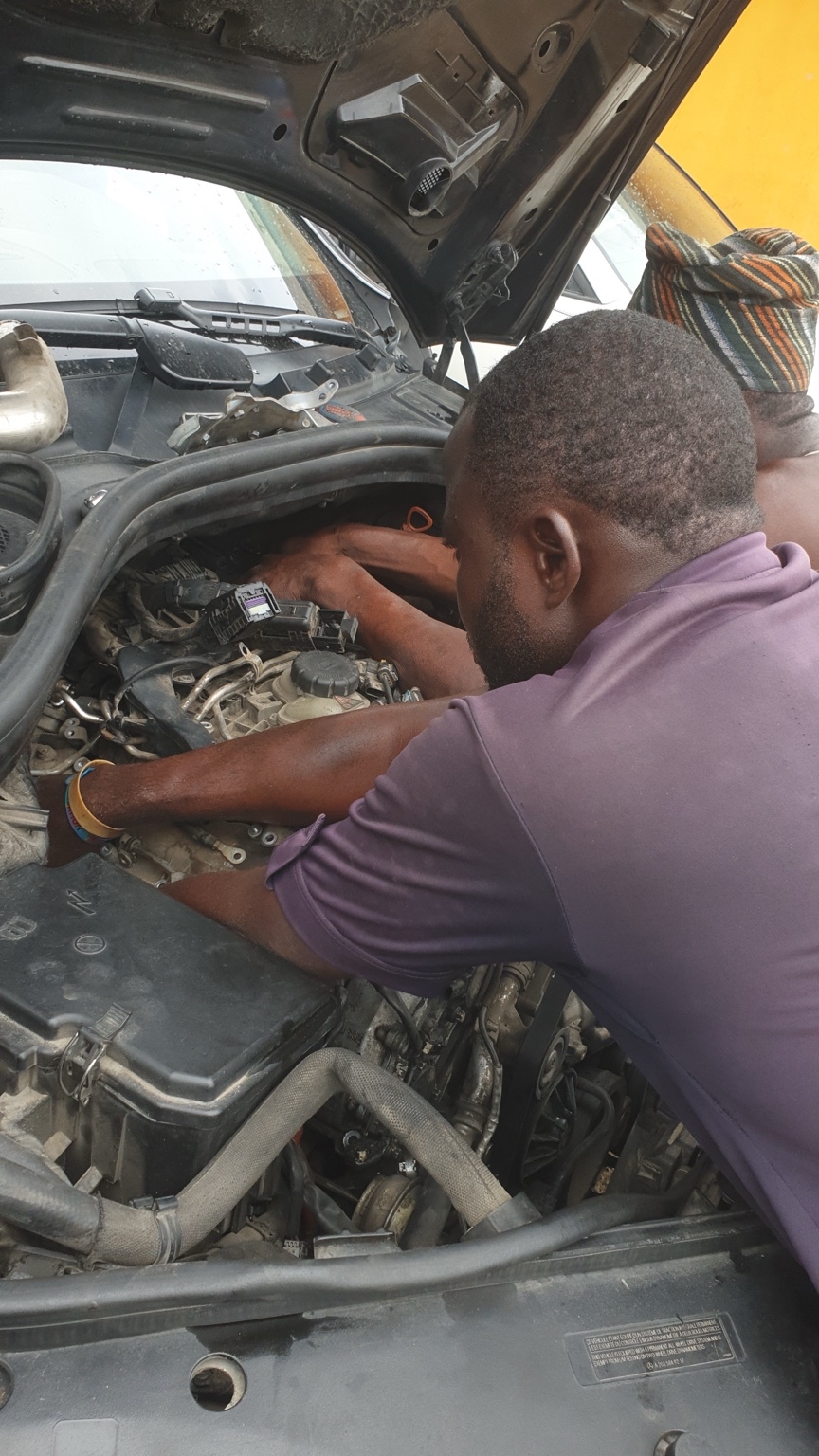
For many premium-vehicle owners, the expensive failure is rarely the first event. It is often the final consequence of ignored signals, incomplete records, repeated guesswork or decisions made without a complete view of the vehicle.
The pattern often begins when maintenance is treated as a calendar reminder rather than an ownership system. A service interval can indicate when routine work may be due, but it cannot by itself account for flood exposure, repeated short trips, heavy traffic, harsh roads, long idling or the vehicle’s previous repair history.
Another cost multiplier is intervention before diagnosis. A warning message, noise, vibration or change in steering can have several possible causes. Replacing the most obvious component without testing the wider system may create a temporary improvement while the condition that damaged it remains.
Cheap work can become expensive when the part, workmanship or diagnosis cannot be traced. The lowest quotation is not automatically the lowest total cost. A part that fails early, a repair that hides a symptom or work that must be repeated can add downtime and secondary damage to the original bill.
Fragmented care creates a different risk. When every visit begins with a new provider and no reliable history, the vehicle is repeatedly assessed as an isolated problem. Previous observations, replaced components, recurring symptoms and unresolved recommendations disappear from the next decision.
Lagos conditions make context even more important. Heat, dust, stop-and-go traffic, rough surfaces and seasonal flooding can influence how a vehicle ages. Exposure does not prove that a specific component has failed, but it should shape what is inspected, what evidence is preserved and how the concern is prioritised.
Serious ownership therefore requires more than reacting when the vehicle stops moving. It requires records, planned review and a clear distinction between an observation, a diagnosis and a recommended intervention.
Before approving a major repair, ask four questions: What evidence supports the conclusion? What other causes were considered? What condition may have contributed to the failure? What will be verified after the work is completed? A responsible answer should be understandable without pretending that every uncertainty has disappeared.
Ajebo Fix approaches premium vehicles through consultation before intervention. The objective is not to sell the fastest repair. It is to understand the vehicle, its history, the owner’s use case and the consequence of the next decision before work begins.
The practical next step is simple: preserve warning messages, describe what changed, gather previous invoices and avoid authorising multiple replacements from guesswork. A proper assessment may not always produce the cheapest first answer, but it can reduce the risk of the most expensive wrong one.
Related capability
Mercedes-Benz & Premium Vehicles
See how Ajebo Fix supports premium ownership through consultation, specialist assessment and continuity of care.
Explore Premium-Vehicle SupportAura is still in development
Follow product updates or join the waitlist for future controlled-access information. Joining does not promise a launch date or immediate access.
Explore Aura