
Why Serious Vehicle Owners Need a Care Relationship—not Just a Service Plan
16 August 2026 · 6 min read
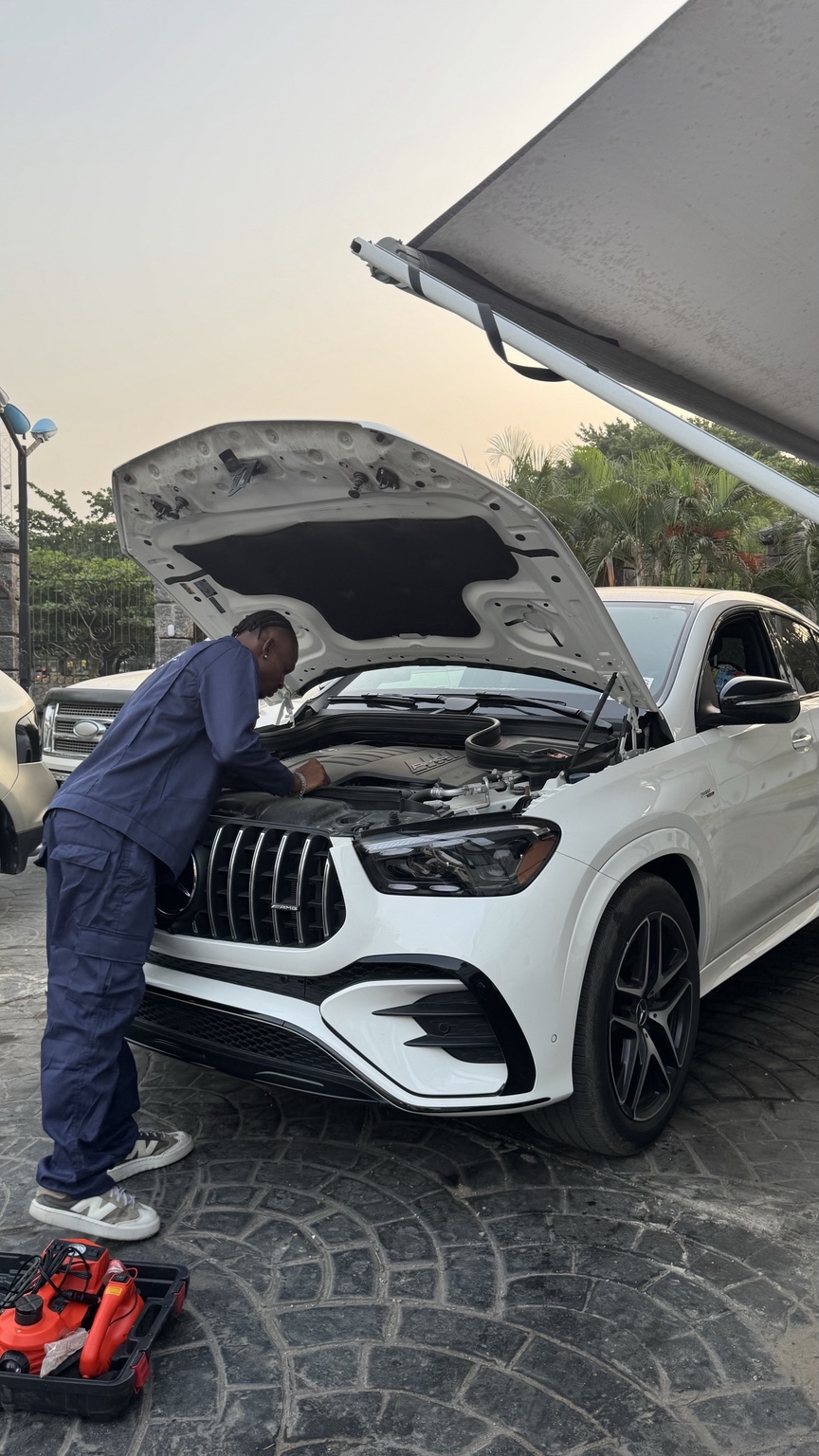
A service plan usually begins with a list: oil changes, filters, inspections and dates. That list can be useful, but premium vehicle ownership rarely stays predictable enough for a fixed checklist to manage the whole car.
The vehicle changes. Mileage increases, driving patterns shift, previous repairs affect later decisions, and exposure to traffic, heat, dust, rough roads or flooding can alter what deserves attention. A plan written once may not explain what should change when the context changes.
A care relationship is different because it preserves continuity. The advisor does not meet the vehicle as a stranger at every visit. Previous concerns, completed work, deferred recommendations, recurring symptoms and the owner’s priorities remain part of the next decision.
That history matters when two recommendations compete. A component may be worn without being the immediate priority. A repair may be technically possible but poorly timed. An expensive intervention may need stronger evidence before the owner authorises it. Continuity makes those trade-offs visible.
A serious care relationship also separates routine maintenance from diagnosis. Scheduled work should not be used to explain every warning, sound or change in behaviour. New symptoms still require assessment, evidence and a clear statement of what is known and what remains uncertain.
The owner has responsibilities too. Accurate mileage, warning photographs, invoices, driving observations and early communication improve the quality of advice. Missing history or waiting until the vehicle can no longer move makes continuity much harder to provide.
The advisor’s responsibility is not to create dependence or promise that nothing will fail. It is to maintain an organised view of the vehicle, explain consequences, challenge unsupported conclusions and coordinate the next appropriate step.
This model is particularly valuable for executives, families, collectors and businesses whose vehicles affect schedules, security or reputation. Their concern is not simply whether a service was completed. It is whether mobility risk is being managed with accountability.
Ajebo Fix calls these arrangements Care Relationships because the value is broader than a prepaid package. The exact scope should depend on the vehicle, the level of oversight required and what Ajebo Fix can responsibly deliver. Benefits, response times and responsibilities should be agreed clearly rather than assumed.
Aura is being developed to support records, continuity and advisor handover within this model. It is not a live mechanical diagnosis or a replacement for inspection. Technology should strengthen the care relationship without pretending to remove professional judgement.
A service plan can remind an owner that something may be due. A care relationship helps decide what matters now, why it matters and who remains accountable after the immediate task is complete.
Related care pathway
Ajebo Fix Care Relationships
Compare the levels of vehicle-health oversight, records, advisory access and coordination available after assessment.
Explore Care RelationshipsAura is still in development
Follow product updates or join the waitlist for future controlled-access information. Joining does not promise a launch date or immediate access.
Explore Aura