Remote Automotive Consultation: What It Can—and Cannot—Tell You
16 August 2026 · 5 min read
A remote automotive consultation is most useful before someone starts replacing parts. It gives the owner and advisor a structured way to review the vehicle, its history, the current concern and the consequence of the next decision.
What it can do is reduce confusion. An advisor can review warning messages, photographs, videos, previous invoices, scan reports and the sequence of events. That information can expose missing evidence, challenge an unsupported recommendation and help determine whether the vehicle needs an on-site assessment, workshop testing or recovery.
It can also improve triage. A conversation may reveal that the vehicle should not continue to be driven, that an observation should be preserved before anyone clears it, or that an earlier repair and a new symptom may be connected. The value is not certainty from a phone screen; it is a better-controlled next step.
Remote consultation is especially useful when the owner is away from the vehicle, a driver is reporting the concern, a workshop has issued a major quotation, or the car is in another city and an independent review is needed before authorisation.
What it cannot do is physically inspect the vehicle. It cannot measure pressure, confirm fluid condition, test wiring under load, inspect internal wear, verify a leak source or reproduce a symptom with the same confidence as a controlled hands-on assessment.
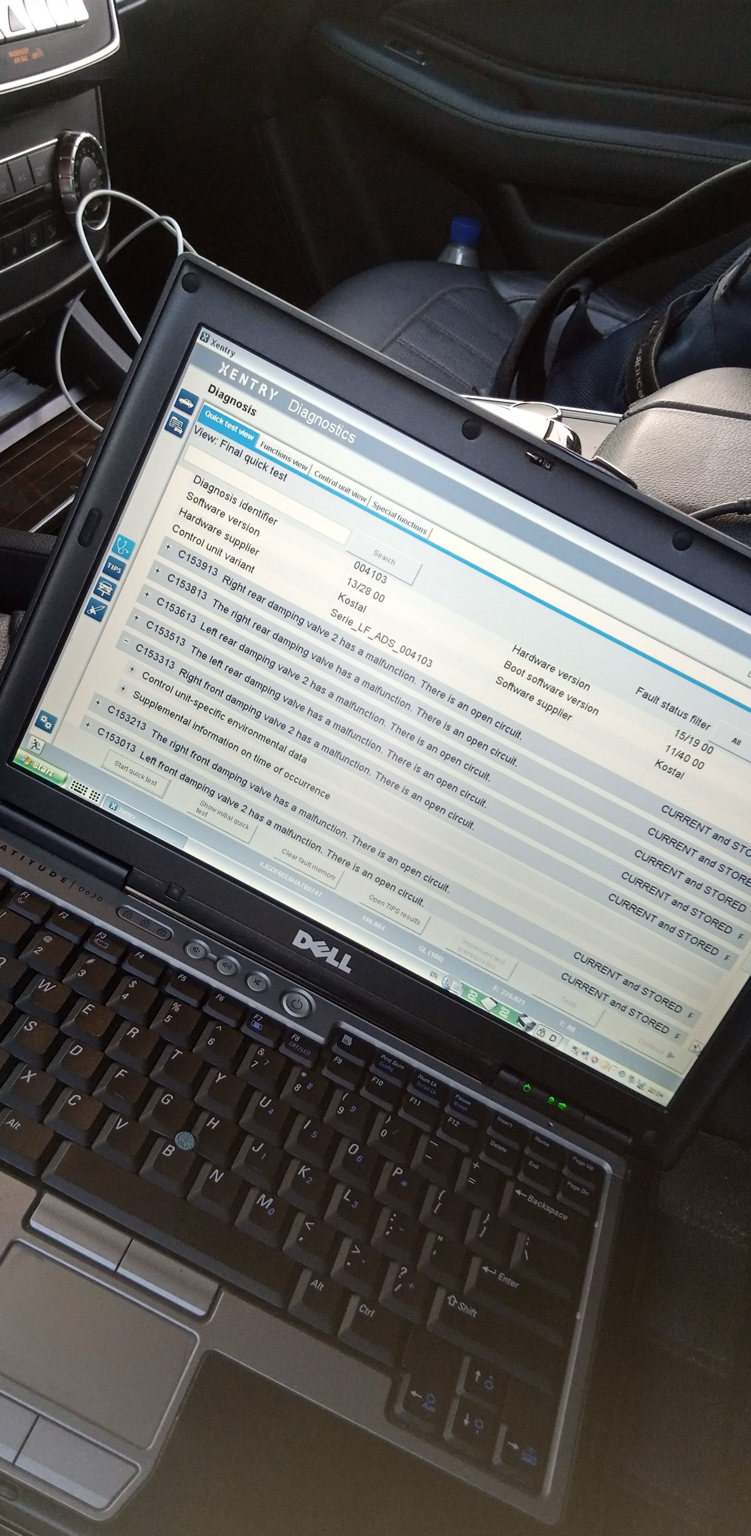
It also cannot turn a dashboard code into a final diagnosis. Codes, sounds and videos are pieces of evidence. They may narrow the investigation, but they do not prove that a particular component must be replaced.
A responsible advisor should state those limits clearly. Phrases such as “possible cause”, “evidence suggests”, “requires testing” and “do not drive until assessed” are appropriate when they accurately describe the uncertainty. False certainty is far more expensive.
To prepare for a useful consultation, provide the make, model and year; the exact warning or symptom; when it started; whether the vehicle is currently being driven; recent repairs; previous diagnoses; relevant invoices; and clear photographs or videos. Include the vehicle’s location and who currently has access to it.
The consultation should end with a defined next action: preserve more evidence, stop driving, arrange recovery, schedule an assessment, request a specific test or return to the current provider with better questions.
Ajebo Fix treats remote consultation as decision support, not remote mechanical diagnosis. The goal is to protect the owner from guesswork while making the limits of the available evidence visible.
Next step
Request an Automotive Consultation
Share the vehicle, history, concern and available evidence so Ajebo Fix can review fit and explain the appropriate next step.
Request a ConsultationAura is still in development
Follow product updates or join the waitlist for future controlled-access information. Joining does not promise a launch date or immediate access.
Explore Aura